Sensor Extension Board

This guide describes how to use the NE301 sensor extension board to quickly set up sensor demos for various application scenarios.


1. Overview​

The NE301 platform provides standardized sensor expansion capabilities. The sensor extension board connects via a unified I2C bus, managed by an open-source driver layer. It supports plug-and-play operation and custom sensor integration, providing a flexible hardware foundation for application-specific requirements.

Open Architecture​

NE301 sensor expansion is built on standard hardware interfaces and open-source drivers, allowing developers to freely adapt and extend:

  • Standard I2C interface: I2C bus 1 with 7-bit addressing (0x03–0x77), compatible with mainstream I2C sensors
  • Standard SPI display: SPI6 interface driving ST7789VW TFT display (240Γ—240 RGB565) for real-time sensor data visualization
  • Open-source driver layer: Complete C driver code available on GitHub at Custom/Hal/SensorExt/, including I2C bus abstraction, sensor drivers, CLI debug commands, and TFT display output
  • Unified CLI command: The sexp command starts all sensor data acquisition and display with a single line

Expansion Capabilities​

MethodDescription
Plug and playSensor extension board pre-integrates 6 sensors, ready to use upon connection
Custom sensorsConnect any compatible sensor via I2C bus, write adapters referencing open-source drivers
Display outputBuilt-in TFT driver supports real-time sensor data text overlay and thermal imaging pseudo-color rendering
API integrationOpen-source C APIs (sht3x_init(), vl53l1x_get_result(), etc.) can be integrated into user applications

Supported Sensors​

SensorModelSpecificationsTypical Applications
Temperature/HumiditySHT3xTemperature Β±0.3Β°C, Humidity Β±2%RHEnvironmental monitoring, warehouse management, overheating protection
Ambient LightLTR-31xVisible + IR 16-bit detectionLighting control, day/night switching, intrusion detection
6-axis IMULSM6DSRAccelerometer + Gyroscope + TemperatureOrientation detection, vibration monitoring, fall detection
Short-range ToFVL53L1XLaser ranging 1.3m (short) / 4m (long)Proximity detection, gesture recognition, collision warning
Long-range LaserDTS6012MLong-distance ToF laser rangingRemote target detection, distance monitoring, perimeter security
IR Thermal ImagingMLX9064232Γ—24 pixel temperature matrix, Β±1Β°CNon-contact temperature measurement, thermal distribution detection, human presence detection

2. Hardware Preparation and Assembly​

Required Hardware​

ComponentDescription
NE301 development boardPre-installed system firmware
Sensor extension boardPre-integrated 6 I2C sensors
TFT displayST7789VW 240Γ—240 (bundled with extension board)
USB-C cableFor serial debugging and power supply
Debug toolSerial terminal (e.g., minicom, PuTTY)

Assembly Steps​

Step 1: Align the sensor extension board with the NE301 expansion connector and press to seat

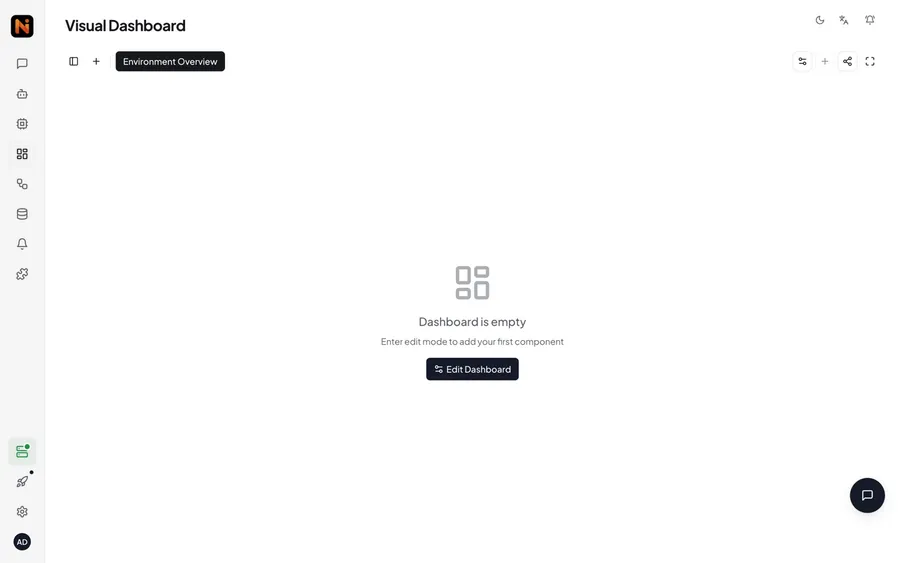
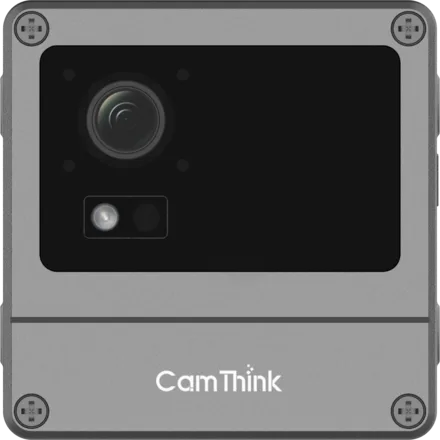
NE301 with sensor extension boardSensor extension board close-up

Step 2: Connect the TFT display to the SPI6 interface on the extension board

Step 3: Connect NE301 via USB-C and open the serial terminal

Note: The TFT display and NAU881x audio codec share the SPI6 interface. They are mutually exclusive via resistor soldering configuration. To use audio functionality, switch to an audio-configured extension board.

After assembly, the NE301 should appear as follows:


3. Quick Start​

3.1 Scan I2C Bus​

After connecting the serial terminal, run the I2C scan command to verify all sensors are online:

AICAM> i2c_tool detect
Scanning I2C bus 1, address range 0x03-0x77
00 01 02 03 04 05 06 07 08 09 0a 0b 0c 0d 0e 0f
00: -- -- -- -- -- -- -- -- -- -- -- -- --
10: -- -- -- -- -- -- -- -- -- -- 1a -- -- -- -- --
20: -- -- 22 -- -- -- -- -- -- 29 -- -- -- -- -- --
30: -- -- -- -- -- -- -- -- -- -- -- -- -- -- -- --
40: -- -- -- -- 44 -- -- -- -- -- -- -- -- -- -- --
50: -- -- -- -- -- -- -- -- -- -- -- -- -- -- -- --
60: -- -- -- -- -- -- 66 -- -- -- 6a -- -- -- -- --
70: -- -- -- -- -- -- -- --

Complete sensor list:

AddressSensorAddressSensor
0x1aNAU881x audio codec0x44SHT3x temperature/humidity
0x22LTR-31x ambient light0x51DTS6012M laser ranging
0x29VL53L1X ToF ranging0x66MLX90642 IR thermal imaging
0x6aLSM6DSR 6-axis IMU

All sensors share I2C bus 1. A missing sensor does not affect the operation of other sensors.

3.2 Start Sensor Data Acquisition​

Run the following command to start sensor data acquisition and TFT display:

AICAM> sexp start

This command will:

  • Initialize all sensors (I2C bus 1)
  • Start a 200ms periodic sensor reading thread
  • Display sensor data in real time on the TFT screen
  • The ir parameter enables infrared thermal imaging mode (no camera required)

Once started, the TFT display will show all sensor data in real time:

3.3 View Sensor Data​

The upper text area of the TFT screen displays real-time readings from each sensor:

SHT3x: 33.4 C 45.0%       ← Temperature/Humidity
ALS: 2255 IR: 63 ← Ambient light (visible + IR)
VL53:159 mm ← Short-range ToF ranging
DTS:N/A mm ← Long-range laser ranging
A: 16 -14 -991 mg ← Accelerometer (3-axis)
G: 140 -1050 140 mdps ← Gyroscope (3-axis)

3.4 IR Thermal Imaging​

Run the following command to start IR thermal imaging mode:

AICAM> sexp start ir

This command will:

  • Initialize all sensors (I2C bus 1)
  • Start the MLX90642 IR thermal imaging array (32Γ—24 pixels)
  • Display thermal imaging on the lower half of the TFT screen (pseudo-color rendering, blueβ†’greenβ†’yellowβ†’red spectrum)
  • Display all sensor text data on the upper half simultaneously

The top of the TFT screen shows thermal imaging statistics:

MLX: min 16.4 C max 28.8 C avg 21.6 C

Move your hand near the sensor area to observe real-time temperature changes in the thermal imaging display.

Tip: You can also use sexp start (without the ir parameter) to overlay sensor data text on the camera preview. This requires camera pipe2 to be running first.

3.5 Stop Data Acquisition​

AICAM> sexp stop

4. Supported Sensors​

The sensor extension board integrates 6 sensor types covering temperature/humidity, light, motion, distance, and thermal imaging detection. Driver source code and CLI debug commands are fully open-source. Developers can access the complete source code and API documentation at Custom/Hal/SensorExt/ in the GitHub repository.

SensorI2C AddressAccuracy / RangeCLI Debug Commands
SHT3x temperature/humidity0x44Temperature Β±0.3Β°C, Humidity Β±2%RHsexp start ir to view data
LTR-31x ambient light0x2216-bit ALS + IR countsals init β†’ als read β†’ als deinit
LSM6DSR 6-axis IMU0x6aΒ±2g~Β±16g / Β±125~Β±2000dpsView via sexp start ir
VL53L1X ToF0x29Short-range 1.3m / Long-range 4mvl53l1x init β†’ vl53l1x start β†’ vl53l1x status
DTS6012M laser ranging0x51Long-range ToF laser rangingdts6012m init β†’ dts6012m read β†’ dts6012m deinit
MLX90642 IR thermal imaging0x6632Γ—24 pixels, 0.02Β°C/LSBmlx90642 init β†’ mlx90642 measure β†’ mlx90642 dump

Developer Resources

Source code path: Custom/Hal/SensorExt/

SensorExt/
β”œβ”€β”€ i2c_driver/ # I2C bus abstraction layer
β”œβ”€β”€ sht3x/ # SHT3x temperature/humidity driver
β”œβ”€β”€ ltr_31x/ # LTR-31x ambient light driver
β”œβ”€β”€ lsm6dsr/ # LSM6DSR 6-axis IMU driver
β”œβ”€β”€ vl53l1x/ # VL53L1X ToF driver
β”œβ”€β”€ dts6012m/ # DTS6012M laser ranging driver
β”œβ”€β”€ mlx90642/ # MLX90642 IR thermal imaging driver
β”œβ”€β”€ tft_st7789v/ # TFT display driver
└── sensor_exemple/ # Integration example (sexp command)

5. Customization Support​

The sensor extension board demonstrates NE301's environmental sensing capabilities. The current sensor board supports flexible selection of sensors based on application requirements, with customizable top covers to accommodate different heights and display configurations. All driver source code is fully open-source β€” developers can implement their own application logic or contact CamThink for custom development. For more information, please contact our Sales team.

ε›Ύη‰‡εη§°ζ•°ι‡θ―΄ζ˜Ž
Sensor Extension Board
Sensor Extension Board1
Pre-integrated with 6 sensors: SHT3x, LTR-31x, LSM6DSR, VL53L1X, DTS6012M, MLX90642
Communicates with NE301 via I2C bus 1
TFT Display
TFT Display1
ST7789VW 240Γ—240 RGB565
Connected via SPI6 interface, mutually exclusive with audio codec

Last updated: 2026-03-31